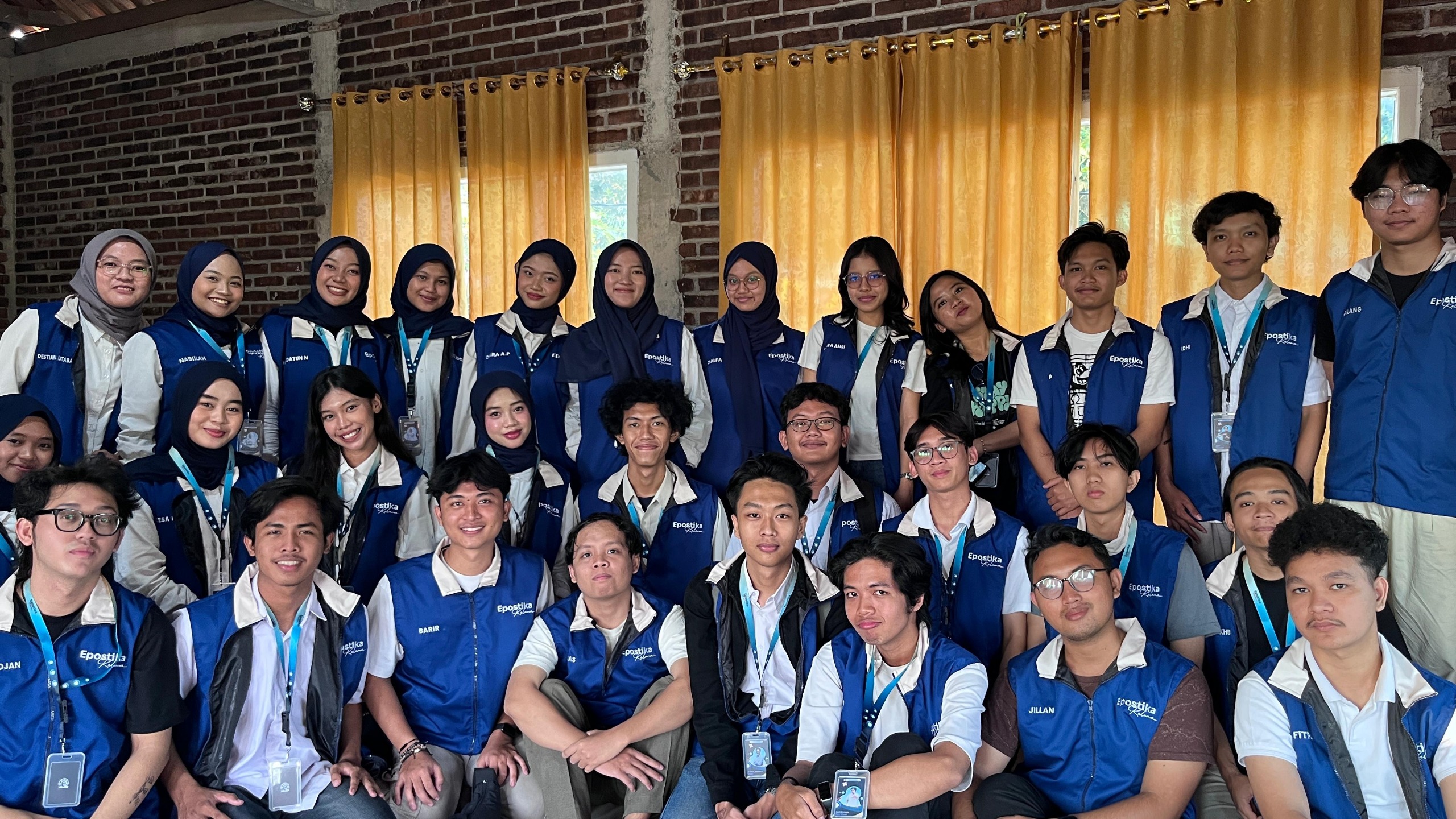
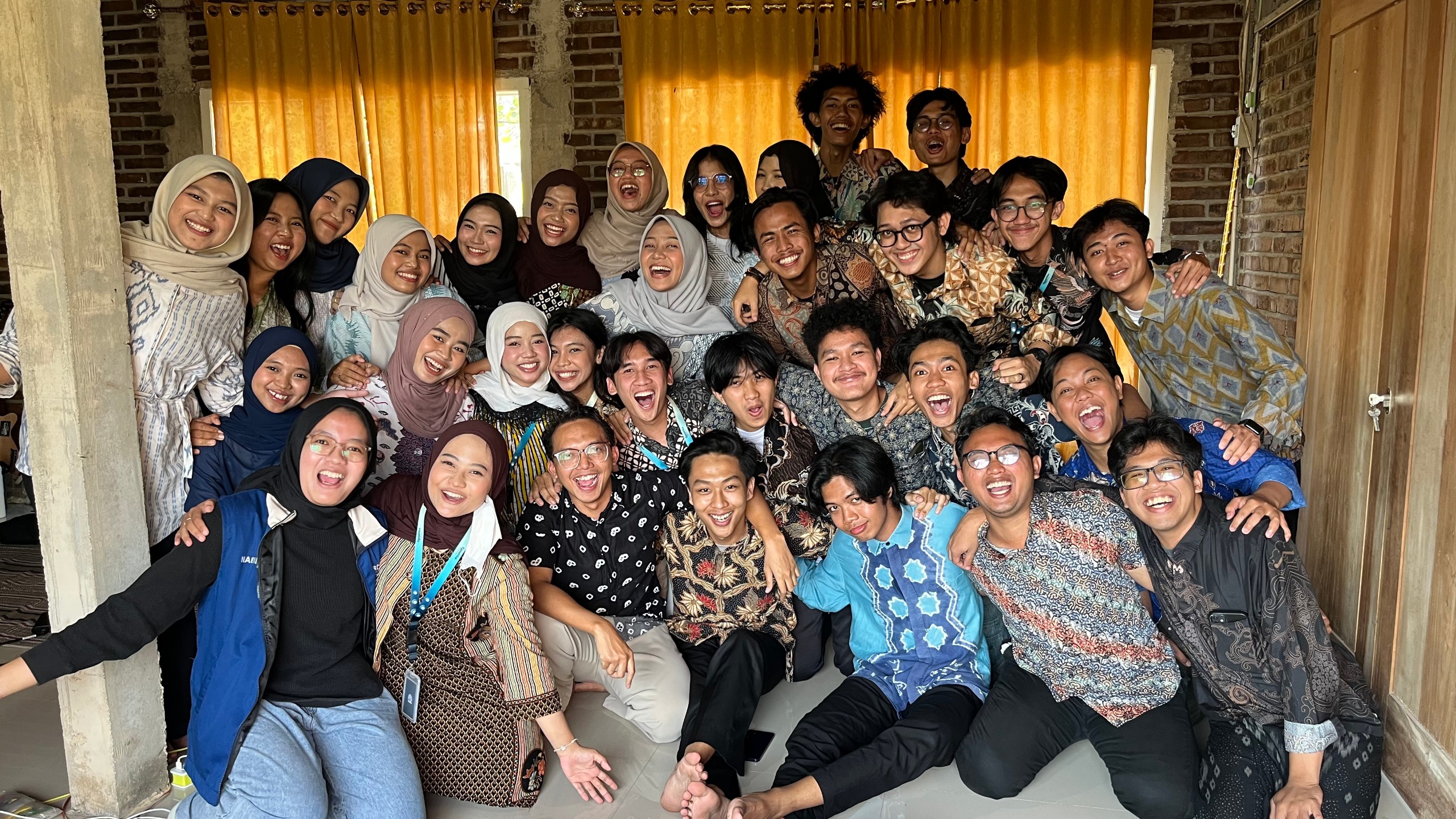
Semarang – Forty students from Universitas Diponegoro (Undip) participating in the Epostika Kelana Conversion Community Service Program (KKN Konversi) have successfully completed the production phase of a monograph and a narrative film documenting Sigur.id, a local creative enterprise in Branjang Tourism Village, Semarang Regency. The initiative forms part of the Indonesiana Funding Program 2026, supported by the Indonesia Endowment Fund for Education (LPDP), and aims to promote cultural preservation, artistic innovation, and community empowerment through collaborative research and creative production.
Throughout the program, the Epostika Kelana team worked closely with Sigur.id, a micro, small, and medium-sized enterprise (MSME) based in Branjang Tourism Village. Specializing in handcrafted wooden and resin artworks, Sigur.id was established during the COVID-19 pandemic by Janu Ade Saputra, affectionately known as Mas Janu, together with several colleagues at the foothills of Mount Ungaran.
Born out of economic hardship during the pandemic, what began as a quiet coffee stall gradually transformed into a creative workshop where discarded wood and resin waste were reimagined as meaningful artistic creations. Drawing inspiration from the surrounding natural landscape as well as local mythology and cultural narratives, Sigur.id has grown into more than a producer of handcrafted accessories such as keychains, necklaces, and wall clocks. Today, it represents an emerging cultural identity for Branjang Village while simultaneously strengthening local tourism and community-based economic development.
Between 19 and 30 June 2026, the Epostika Kelana team entered the production stage in preparation for the program’s culminating events, including the Sigur.id Cultural Workshop, Creative Work Discussion, National Seminar, and the premiere of the Sigur.id Narrative Film. During this period, the team completed two major creative outputs.
Documenting the Story Behind the Art
The first outcome is a monograph entitled “Sigur.id: Tracing an Aesthetic Journey from the Post-Apocalyptic COVID-19 Era.” More than a conventional publication, the monograph explores the narratives embedded within Sigur.id’s resin artworks and documents how creativity emerged from uncertainty during one of the most challenging periods in recent history.
Developed through close collaboration with the people of Branjang Village, the book examines how discarded wood and resin became expressive artistic media capable of connecting imagination, resilience, and everyday village life. It also chronicles Mas Janu’s creative journey—from experimenting with resin art during his academic years to transforming those ideas into a sustainable creative enterprise during the pandemic. Rather than portraying Sigur.id merely as a commercial brand, the monograph presents it as a symbol of innovation born from adversity.
Transforming Craftsmanship into Cinematic Storytelling
The second production is a narrative documentary film entitled “Rhythms in the Splashes of Color.” The film captures not only the creative process behind Sigur.id’s resin artworks but also the stories and cultural meanings embedded within each piece.
Community participation lies at the heart of the documentary. Residents of Branjang Village actively contributed throughout the filmmaking process, highlighting the close relationship between local craftsmanship, collective memory, and cultural identity. Beyond showcasing production techniques, the film celebrates perseverance, experimentation, and artistic dedication—the core values that have shaped Sigur.id into a reflection of the village’s enduring commitment to preserving both its cultural heritage and natural environment.
The production activities were carried out directly in Branjang Tourism Village, while other members of the Epostika Kelana team provided hybrid support from different locations. More than simply producing a book and a film, the collaboration represents an effort to preserve and extend the aesthetic narrative that emerged from resilience during difficult times. Through imagination and craftsmanship, discarded pieces of wood and resin have been transformed into cultural artifacts that enrich Branjang’s identity while demonstrating how art can bridge tradition, environmental sustainability, and community-based economic empowerment.
The collaborative production of the monograph and narrative film stands as tangible evidence that partnerships between universities and local cultural practitioners can revitalize communities while strengthening authentic cultural heritage. By engaging local residents throughout the creative process, the project has reinforced the importance of preserving traditional knowledge through contemporary artistic expression.
The Epostika Kelana Program will culminate in a series of public events scheduled for 26–28 August 2026 at the Art Center, Faculty of Humanities, Universitas Diponegoro. These events will feature the Sigur.id Cultural Workshop, Creative Work Discussion, National Seminar, and the official screening of the narrative film.
Looking ahead, the team hopes that this initiative will become more than a one-time collaboration. Instead, they envision it as the beginning of a continuing creative movement—one that inspires broader communities to preserve cultural heritage, embrace sustainable artistic practices, and recognize creativity as a powerful catalyst for social and economic transformation.